Every shilajit seller in India will tell you theirs is asli. Most guides online will then tell you to put a bit on a spoon and hold it over a flame to find out. Both of those are a problem, for different reasons, and this article is here to sort out which checks are worth your time.
One thing to be clear about before we start. We are not going to tell you what shilajit does for you. That is a conversation for you and your doctor. What we can do is show you how to check original shilajit properly, which tests only screen out the obvious fakes, which one you should never do and what actually proves a product is what it says it is.
In short: to check original shilajit, start with the pack. Look for a valid FSSAI or AYUSH licence number, a batch number, dates and a named manufacturer. Home tests like warm water can catch crude fakes but cannot prove purity. Only a batch lab report showing heavy metals within limits can do that.
Why checking matters more with shilajit than with most supplements
Shilajit is a dark mineral resin that seeps from rock in high mountains and is collected, cleaned and processed before anyone should take it. Raw material straight from the rock can carry soil and naturally occurring heavy metals, which is exactly why Ayurveda treats purification, called shodhan, as the traditional step before it is used.
The trouble is that demand is high, the raw material looks like tar, and tar is easy to fake. Fillers, diluted resin, coloured pastes and outright substitutes all get sold under the same word. That is what makes checking worth doing carefully, rather than by feel.
The honest rule: home tests screen, lab reports prove
Here is the frame that most guides skip. A warm water test can tell you a product is obviously not shilajit. It cannot tell you the lead content. Texture can tell you something is gritty with fillers. It cannot tell you whether the resin was diluted with something that behaves the same way.
So read every home test below for what it is, a screening step. It rules out the crude stuff. The only thing that proves purity and safety is a laboratory result for the batch in your hand. If you take one idea from this page, take that one.
How to check original shilajit: 6 checks ranked by reliability
Most guides list tests in the order tradition hands them down. We have ranked them by how much you can actually trust the result. Each one ends with a plain verdict.
1. The licence and the label
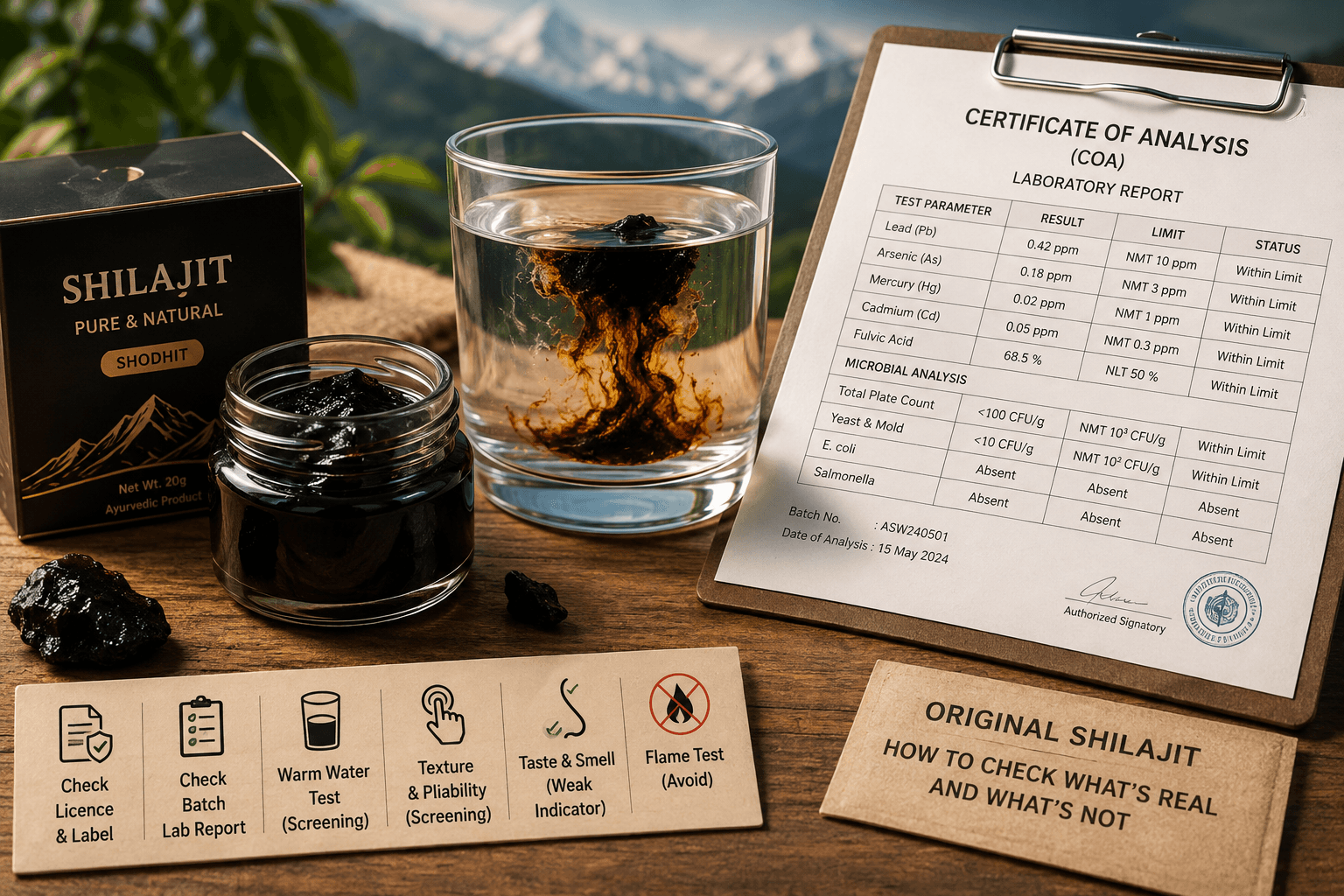
Before you touch the product, read the pack. A genuine product in India shows a licence number, either FSSAI for a food supplement or an AYUSH manufacturing licence for an Ayurvedic medicine. It shows a batch number, manufacturing and expiry dates, plus the manufacturer’s name and full address, not just a brand name. Ideally it also states that the shilajit is purified, often written as shodhit.
An FSSAI number can be checked on the FSSAI website. AYUSH licences are issued by state authorities and are harder to verify online, but the number should still be there. A pack with no licence, no batch or no manufacturer ends the conversation. A missing purification line is a caution, not a disqualifier.
2. The batch lab report
Ask the seller for the certificate of analysis for your batch. A real brand shares it without fuss, and how we test and check our products is the standard we hold ourselves to. The report should show heavy metals, meaning lead, arsenic, mercury and cadmium, tested against the limits set by the regulator, along with fulvic acid content and microbial results. The batch number on the report must match the batch number on your pack.
The words lab tested printed on a label mean nothing until you have seen this document.
3. The warm water test
Drop a pea-sized piece into a glass of warm, not boiling, water and leave it for a minute or two. Genuine resin dissolves fully into a golden to dark brown liquid with nothing gritty settling at the bottom. Sandy residue means fillers. One caveat that matters: this describes pure resin. A blended product that contains herb extracts or a bhasma will not behave the same way, and a blend should say so plainly on its pack. Passing this test rules out crude fakes and nothing more.
4. Texture and pliability
Genuine resin is soft and sticky in warm hands and turns hard and glassy after half an hour in the fridge, then softens again when it warms. Gritty, crumbly or powdery points to fillers. A well made fake can pass this one, so treat it as a second opinion, not a decision.
5. Taste and smell
Shilajit tastes bitter, earthy and mineral, and smells strongly of the same. Anything sweet, perfumed or oddly pleasant is a red flag. This is subjective and easy for a decent fake to imitate, which is why it sits near the bottom. Use it as a tiebreaker.
6. The flame test
Almost every guide on this subject tells you to heat a small piece on a spoon and watch whether it burns like plastic or bubbles like resin. Please do not. Plenty of natural materials char without catching fire, so charring proves nothing about purity. Purified and raw resin can behave differently under heat, so even a genuine product can fail the test. And you are breathing the fumes of something you have not yet identified.
It tells you nothing the water test does not, and it is the one check on this list that can hurt you.
How to read a shilajit lab report
This is the part nobody explains, so here it is line by line. When you know how to check original shilajit against its report, the rest of the checks fall into place.
- Batch number: it must match the pack. A report with no batch number is a decoration.
- Heavy metals: lead, arsenic, mercury and cadmium, each with a result and a limit, and each marked within limit or not detected.
- Fulvic acid: a percentage, which tells you the resin was tested for what makes it shilajit.
- Microbial results: total counts, yeast and mould, plus named pathogens, each within limit.
- The lab: a named testing laboratory, its accreditation and the date of the test.
Two red flags in the report itself. One is no batch number. The other is a report dated before the product was made.
Red flags before you pay
A quick list to run through on any listing or pack, online or in a shop.
- A price far below the market for the quantity.
- No licence number, no batch number or no manufacturer address.
- Gold flakes or a gold colour used as the main selling point rather than a declared, quantified ingredient.
- Promises of guaranteed results, or any result at all in a set number of days.
- A seller who will not send the batch report when asked.
If you want the wider version of this checklist, our guide to how to choose ayurvedic supplements you can trust covers what to look for across the whole category.
Where Ayusensia stands
Ayusensia is an Indian ayurvedic wellness brand based in Jodhpur, and our position on shilajit is the one you have just read. Check the licence, ask for the report, treat home tests as screening and skip the flame. Hold our products to exactly this list. If you would like to know more about who we are, the story of Ayusensia is a short read.
Frequently asked questions
How do I check original shilajit at home?
At home you can screen shilajit with the warm water test, the pliability test and taste. Genuine resin dissolves fully in warm water with no grit, softens in warm hands, hardens in the fridge and tastes bitter and earthy. These checks catch crude fakes but cannot prove purity or safety.
What is the most reliable way to check shilajit purity?
The batch lab report, also called a certificate of analysis. It should show heavy metals within the regulator’s limits, the fulvic acid content and microbial results, with a batch number that matches your pack. A brand that will not share one has answered your question.
Is the flame test a good way to check shilajit?
No. Many natural materials char without igniting, purified and raw resin can behave differently under heat, and heating an unknown substance releases fumes you should not breathe. It proves nothing the water test does not and is the one test that can harm you.
What should be printed on a genuine shilajit pack in India?
A valid FSSAI or AYUSH licence number, a batch number, manufacturing and expiry dates, plus the manufacturer’s name and full address. A purification statement, often written as shodhit, is a good sign. Missing the licence, batch or manufacturer is a reason not to buy.
Does the colour of shilajit prove it is original?
No. Genuine shilajit is usually dark brown to black with a slight sheen, but colour is easy to imitate, and a very uniform, glossy, jet-black product can be a sign of processing or additives. Treat colour as a minor check, never as proof.
The takeaway
Label first, report second, home tests third, flame never. That is how to check original shilajit without fooling yourself, and it takes less time than most of the tests people actually do. The pack and the paperwork will tell you more than a spoon over a stove ever will.
Disclaimer: this article is for general information only and is not medical advice. It does not describe the effects of any product. Ayurvedic products should be used as directed on the pack, and you should speak to your doctor before starting any supplement or Ayurvedic medicine, especially if you are pregnant, breastfeeding, on medication or managing a health condition.